
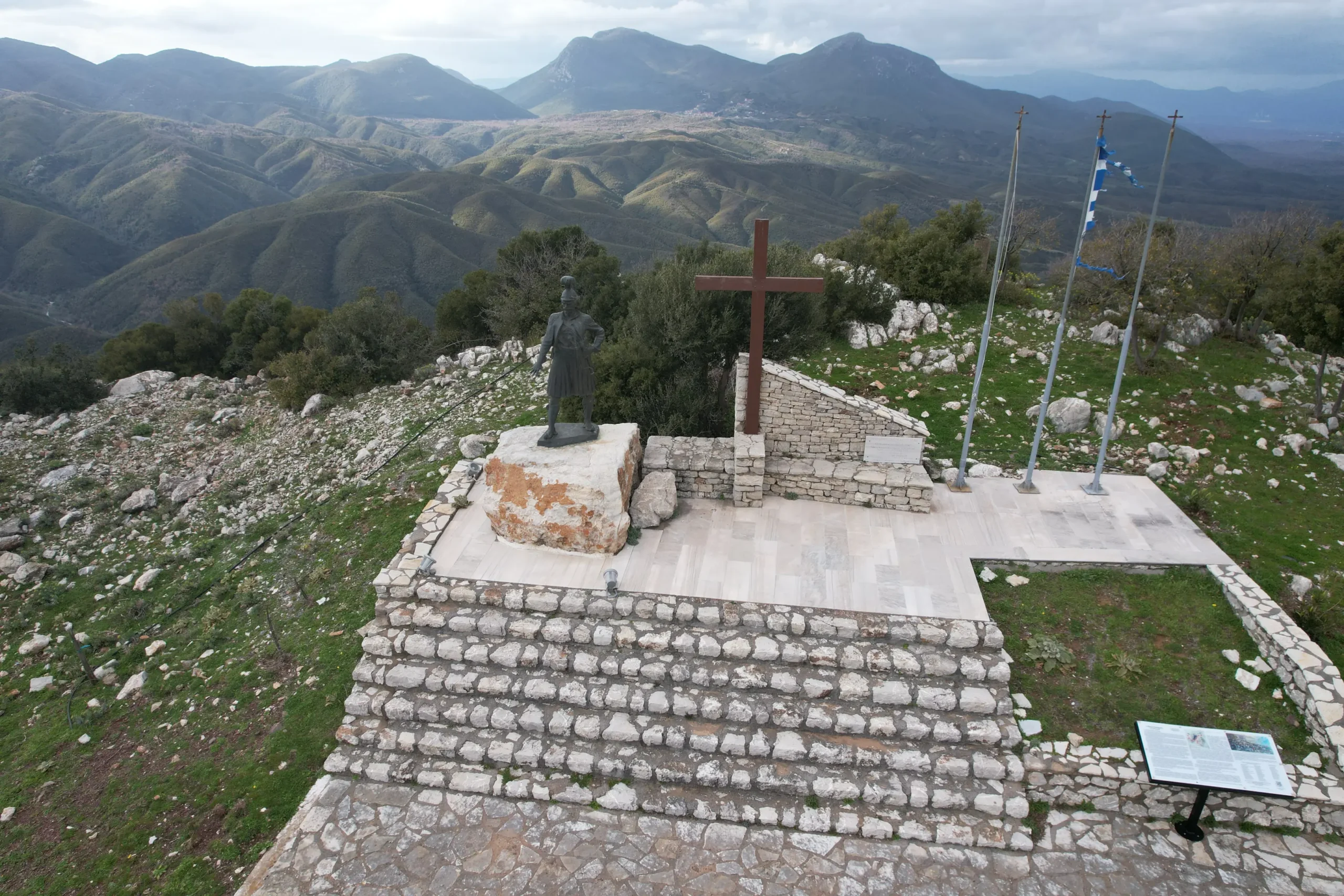
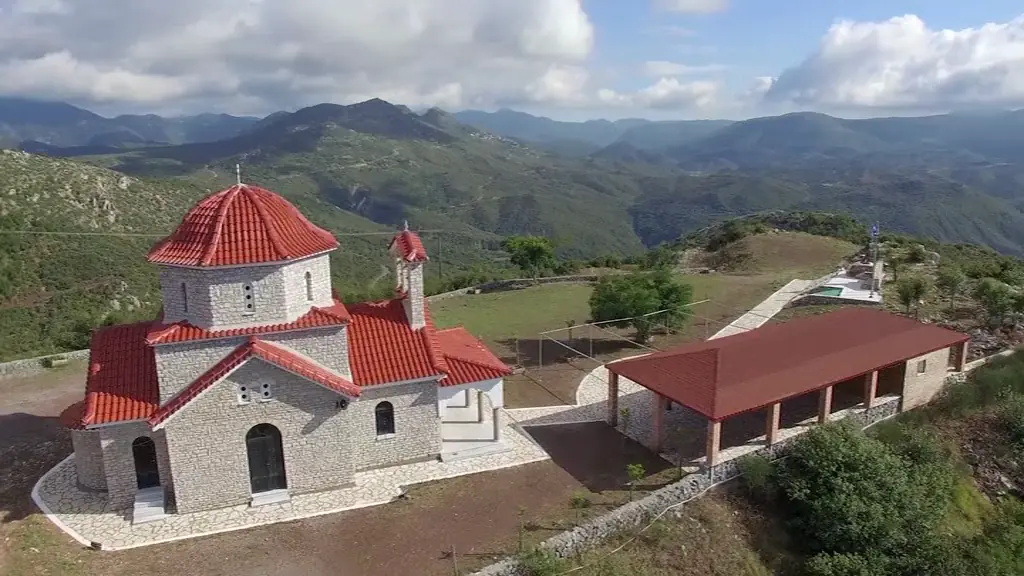
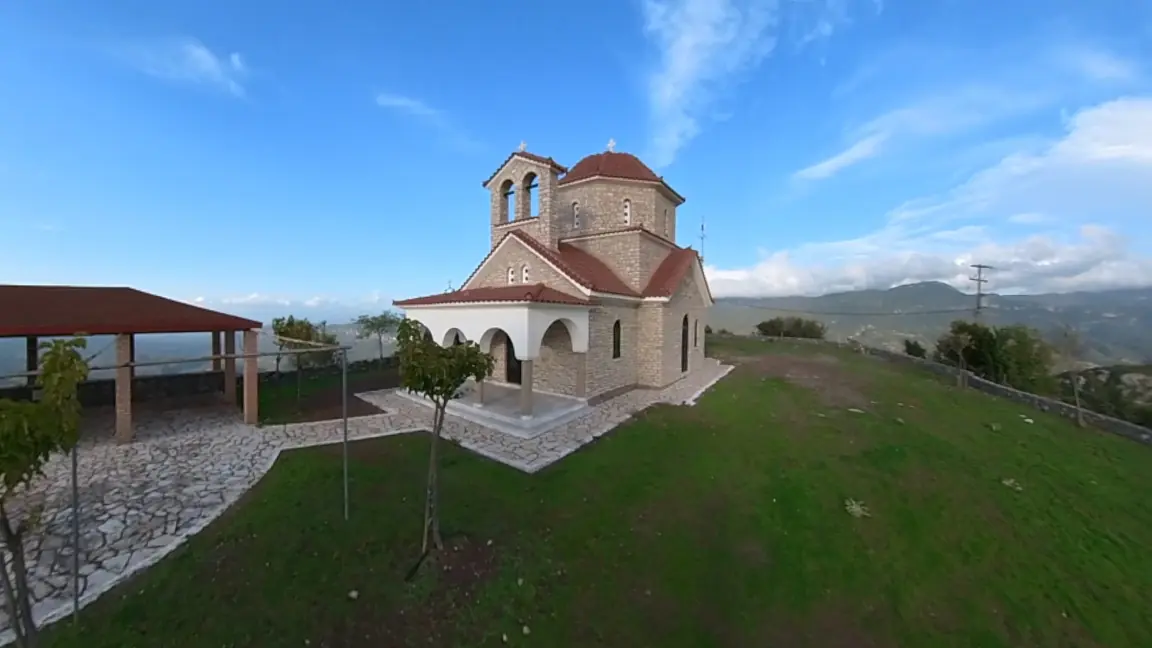
Battle of Drampala
Akovos of Megalopolis
The Battle of Drampala
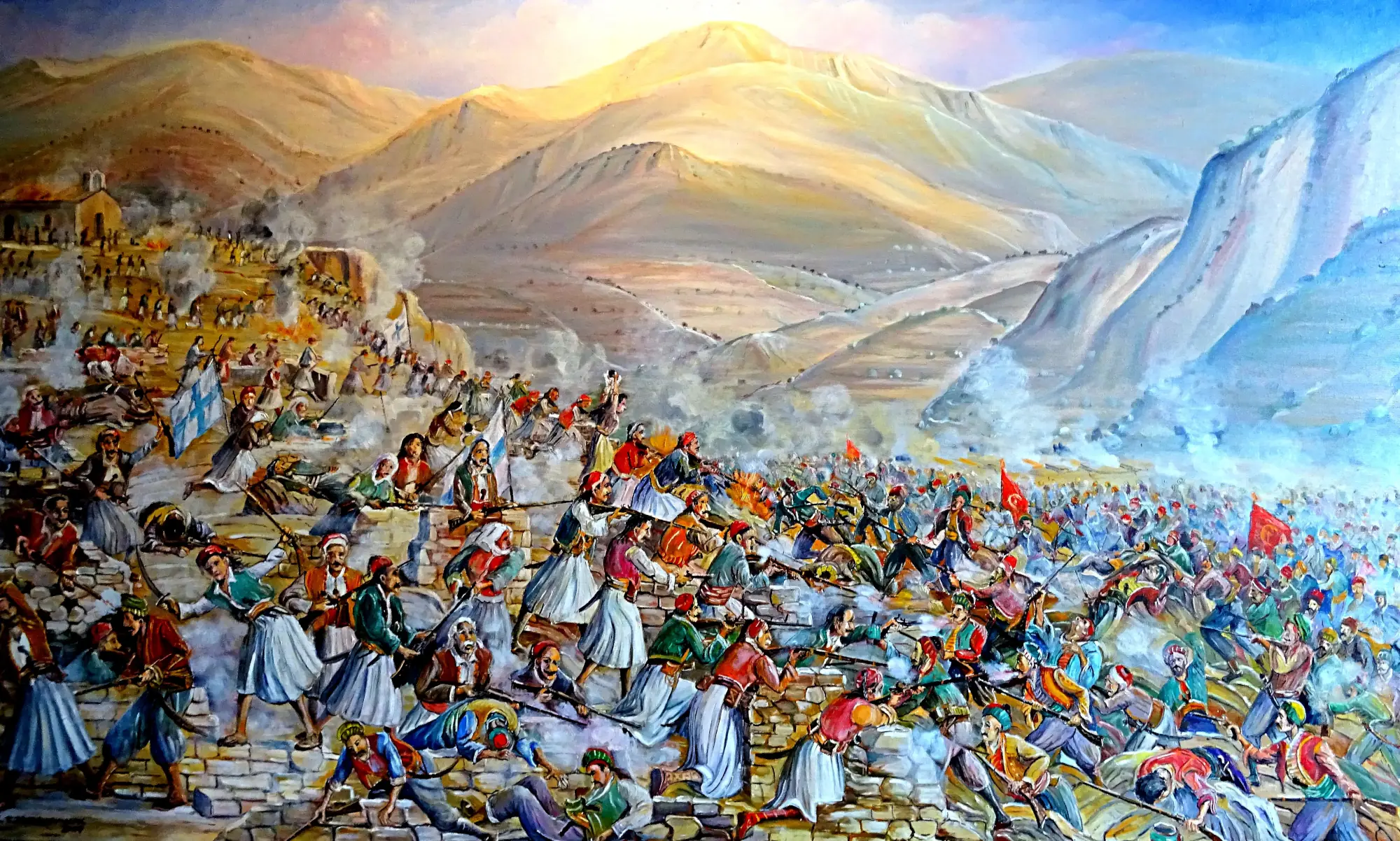
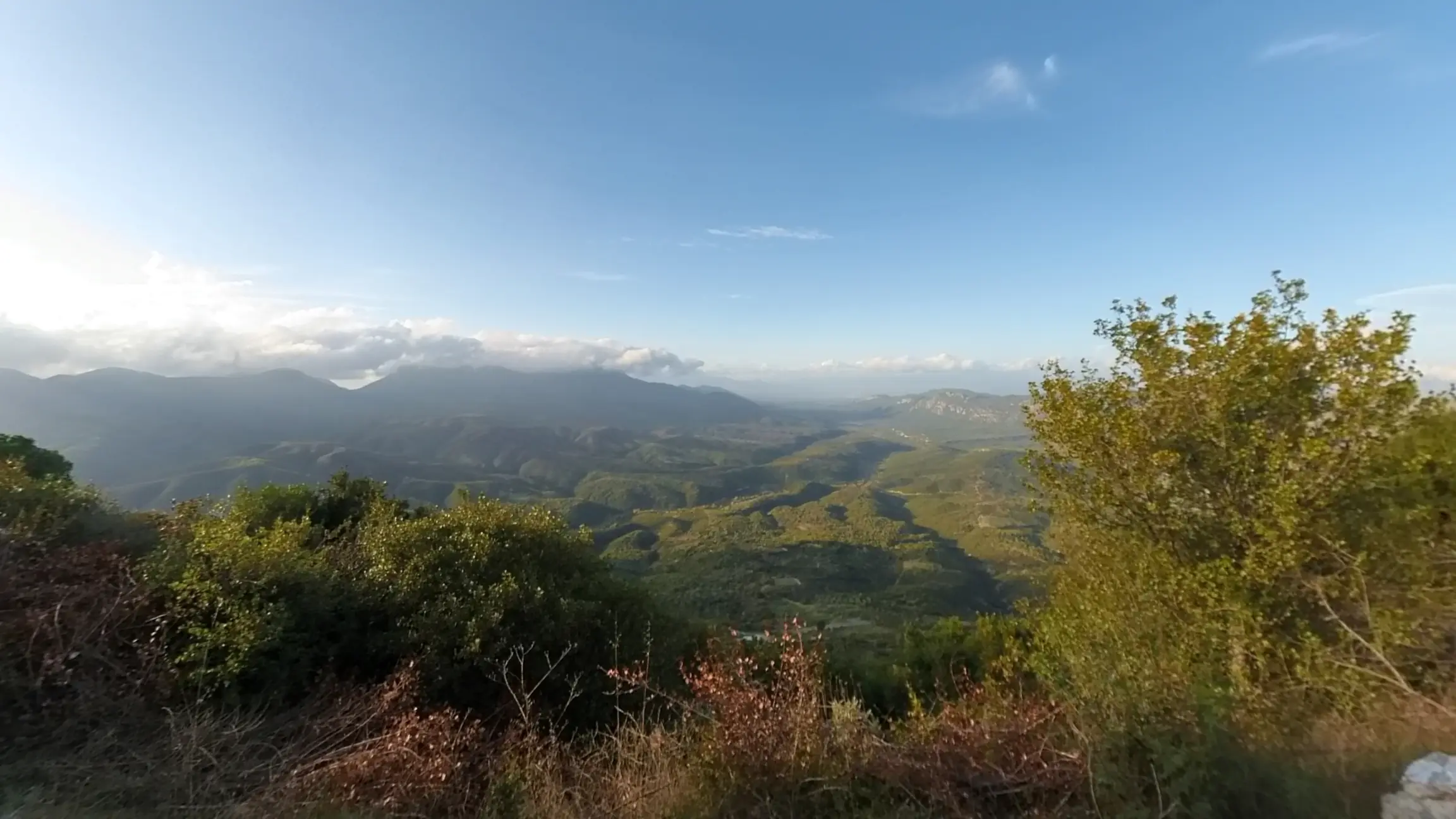
The Battle of Trampala was one of the most critical and dramatic engagements of the Greek War of Independence during the summer of 1825. It took place in the mountainous passes between Messenia and Arcadia, near the village of Akovos, and marked the final major attempt by the Greek revolutionary forces to halt the rapid advance of the army of Ibrahim Pasha into the interior of the Peloponnese.
The Situation after Maniaki
Following the crushing defeat of the Greek forces at the Battle of Maniaki and the heroic death of Papaflessas, Ibrahim gained the strategic initiative in the Peloponnese. The Egyptian troops, highly organized and trained according to European military standards, occupied Arcadia (Kyparissia) and launched raids against several towns in Messenia, plundering and burning them.
At the same time, Theodoros Kolokotronis had just been released from imprisonment on the island of Hydra and returned to active leadership of the Revolution Army. Unlike many other Greek commanders, Kolokotronis quickly realized that Ibrahim was unlike any previous Ottoman opponent, including Mahmud Pasha Dramali. The Egyptian army possessed discipline, organized logistics, powerful artillery, and formal military training, making traditional Greek guerrilla tactics far less effective.
From Tripoli, recruitment efforts were organized and approximately 6,000 men were gathered. Kolokotronis intended to block the mountain passes leading from Messenia into Arcadia and trap Ibrahim within the narrow mountain routes. However, the plan collapsed when the Egyptians managed to pass unexpectedly through the Sorokas path. According to most historical accounts, the passage was revealed to Ibrahim by Turks from Leontari. These men guided the Egyptian forces through the unguarded route, allowing Ibrahim to appear suddenly on the flank of the Greek camp before the defensive positions had been fully fortified.
The Gathering of the Greek Forces
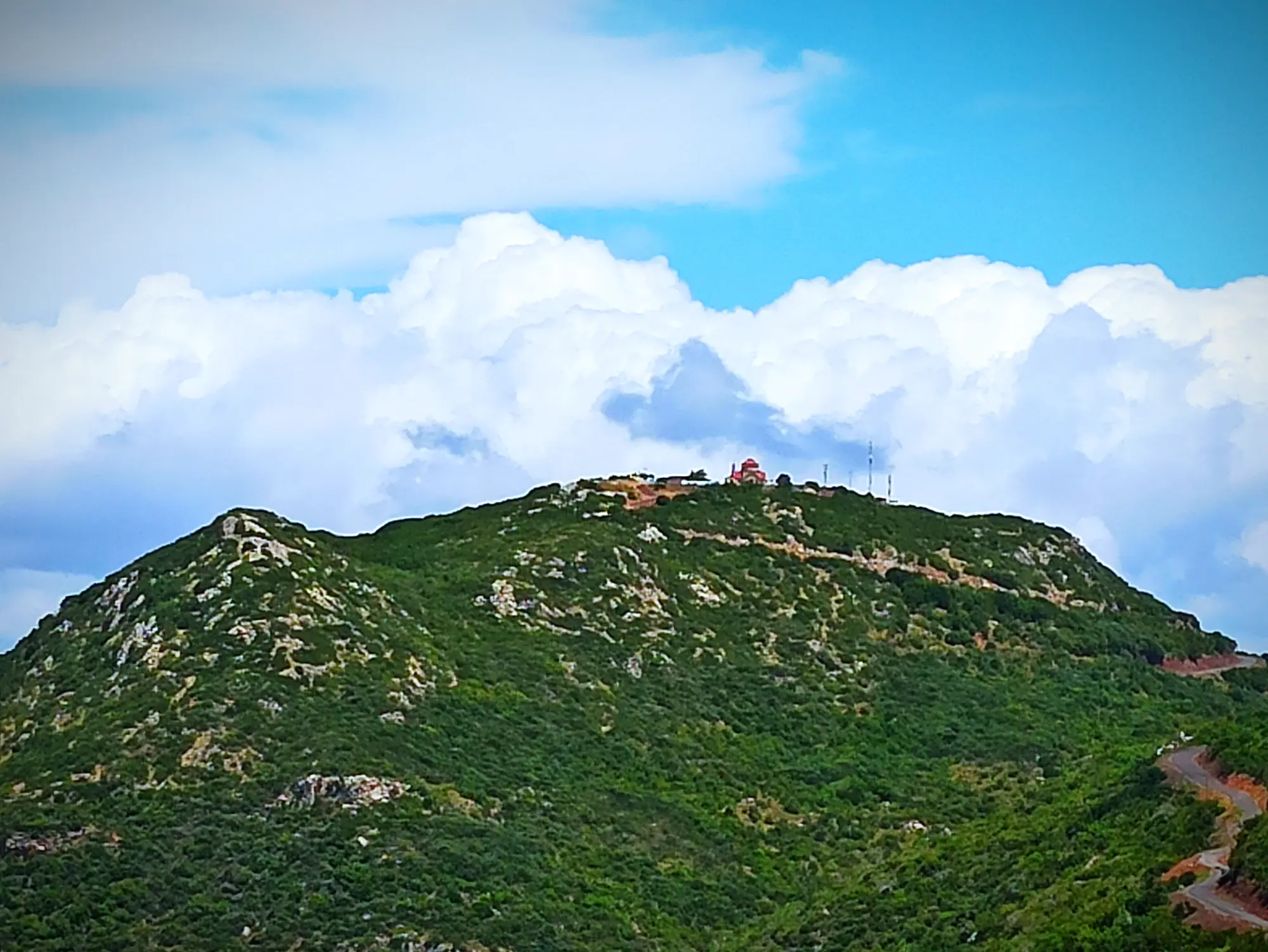
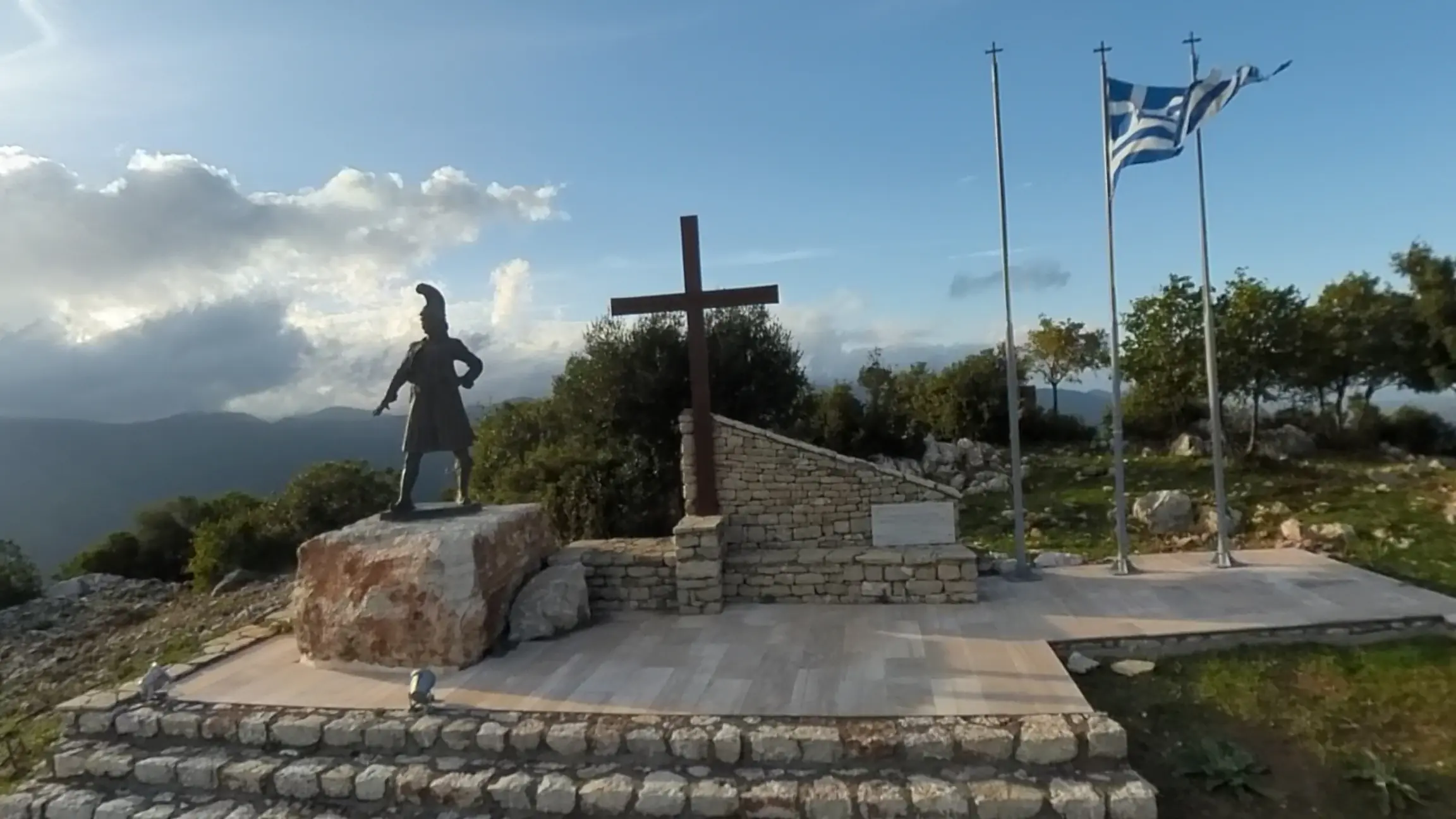
On the night of June 4, 1825, the Egyptian forces camped at Poliani, while the Greeks hurried to establish a new defensive line. Giorgos Yatrako) occupied positions near Dyrrachi with approximately 800 fighters from Mystras, guarding the road toward Sparta and Mystras. At the same time, Kanellos Deligiannis, together with Gennaios Kolokotronis and around 3,000 men, fortified the mountainous position of Trampala with strong defensive barricades.
The Battle of Drampala
On the morning of June 5, the Egyptians launched a general assault. Using bayonet charges and coordinated infantry movements, they succeeded in driving Greek detachments from forward positions and turned against the main defensive stronghold at Trampala.
Yatrakos attempted to reinforce the defenders, but his men came under fierce attack and were forced to retreat through steep rocky terrain. During the withdrawal, Yatrakos himself was seriously injured in the face by a tree branch.
The fighting continued throughout the night without a decisive outcome. The Greeks still held their fortified positions despite the continuous Egyptian attacks.
The decisive phase of the battle began on the morning of June 7. Ibrahim ordered nine cannons to bombard the Greek positions while his infantry advanced toward the surrounding slopes in an attempt to outflank the Greek defenses and open a route toward the Arcadian plateau.
Kolokotronis then sent Dimitrios Plapoutas with a small force of fighters from Kyparissia to block the Egyptian movement. The resistance was stubborn, but after approximately one hour of combat, Plapoutas and his men were forced to retreat. The road into Arcadia was now open.
The Retreat and Collapse of the Defense
As the Egyptian breakthrough threatened to encircle the Greek forces, Kolokotronis ordered a nighttime withdrawal toward the villages of Tourkoleka and Isari.
Despite the Greek defeat, Egyptian losses were considerable and are estimated at around 700 men, while Greek casualties reached approximately 110 dead and wounded. The heaviest burden of the defense had been carried by Gennaios Kolokotronis and his men.
Consequences
The defeat at Trampala was one of the most serious blows suffered by the Greek Revolution in the Peloponnese during 1825. The collapse of the Greek defensive line allowed Ibrahim Pasha to advance unhindered into the interior of Arcadia, while Greek supply and recruitment centers disintegrated. News of the Egyptian advance caused panic among the inhabitants of Tripolitsa, many of whom abandoned the city in fear of massacre and destruction. On June 11, 1825, Ibrahim entered Tripolitsa without resistance, an event that appeared at the time to threaten the very survival of the Revolution in the Morea.
Despite his victories, however, Ibrahim failed to subdue the Greeks completely. The Battle of Trampala demonstrated that his army could be resisted and eventually defeated.
Greek resistance continued in the form of guerrilla warfare throughout the mountainous regions of the Peloponnese, while the revolutionaries later achieved significant defensive successes, most notably at the Battle of the Mills of Argolis in June 1825, where the Egyptian advance toward Nafplio was halted. In the following years, the conflict evolved into a war of attrition for Ibrahim’s forces, which struggled to control the countryside and suppress the Greek resistance.
The decisive turning point came with the intervention of the Great Powers. On October 20, 1827, the combined fleets of Britain, France, and Russia destroyed the Ottoman-Egyptian fleet at the navy Battle of Navarino, depriving Ibrahim of supplies and reinforcements. A few years later, under pressure from the French Morea Expedition, the Egyptian forces were compelled to withdraw from the Peloponnese, effectively marking the failure of Ibrahim’s campaign and the eventual triumph of the Greek War of Independence.
 Watch video
 View 360 image