
Battle of Karytaina
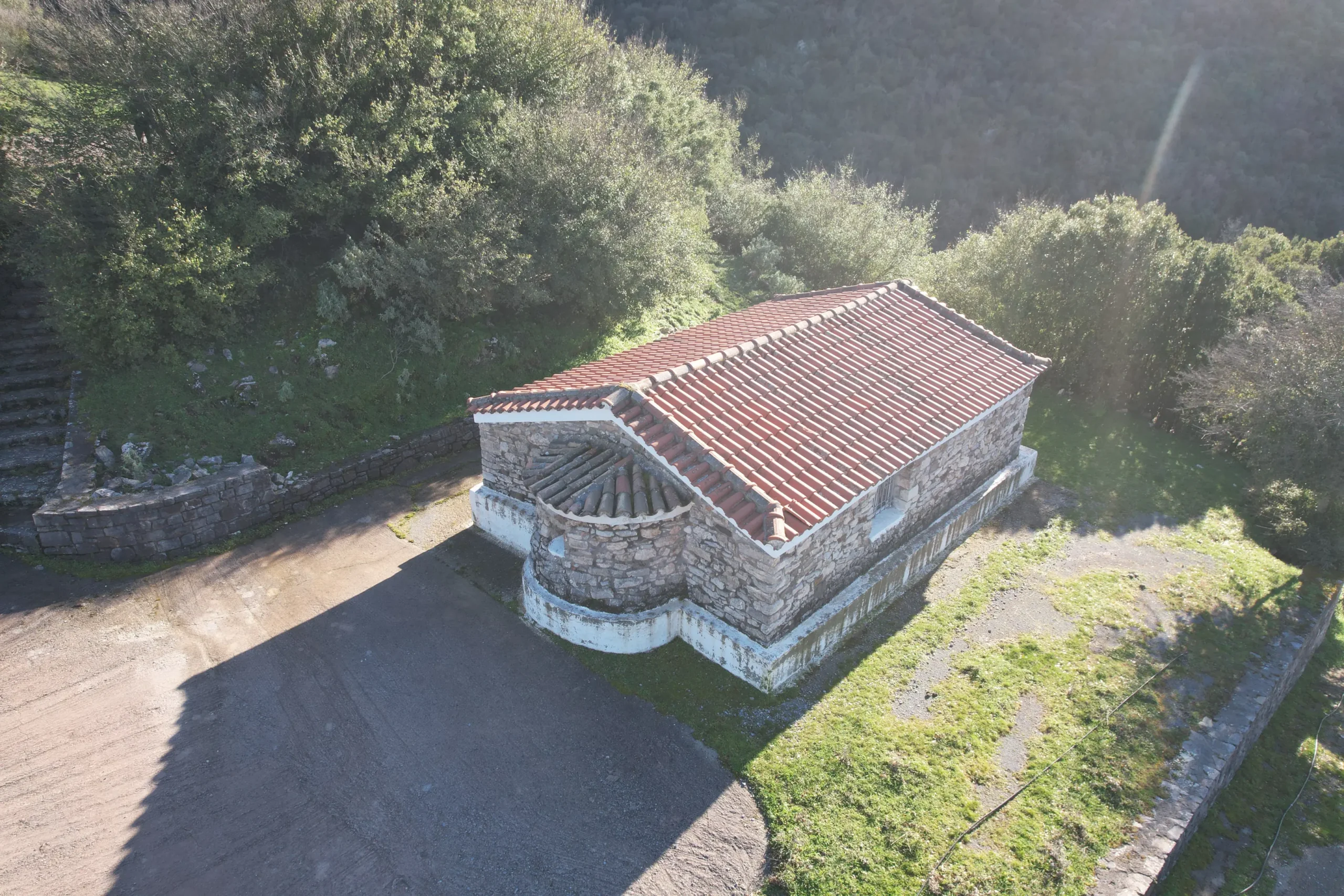
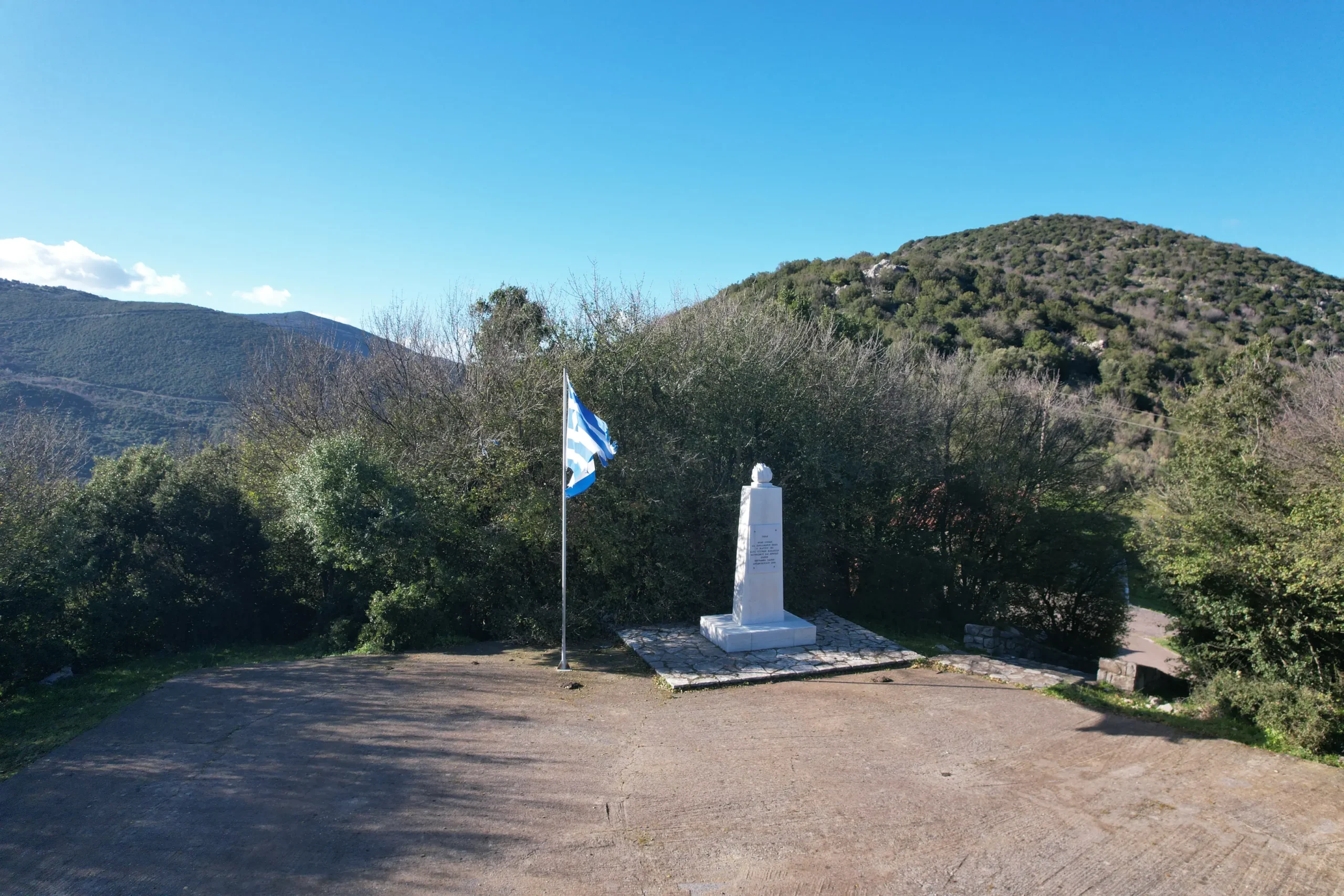
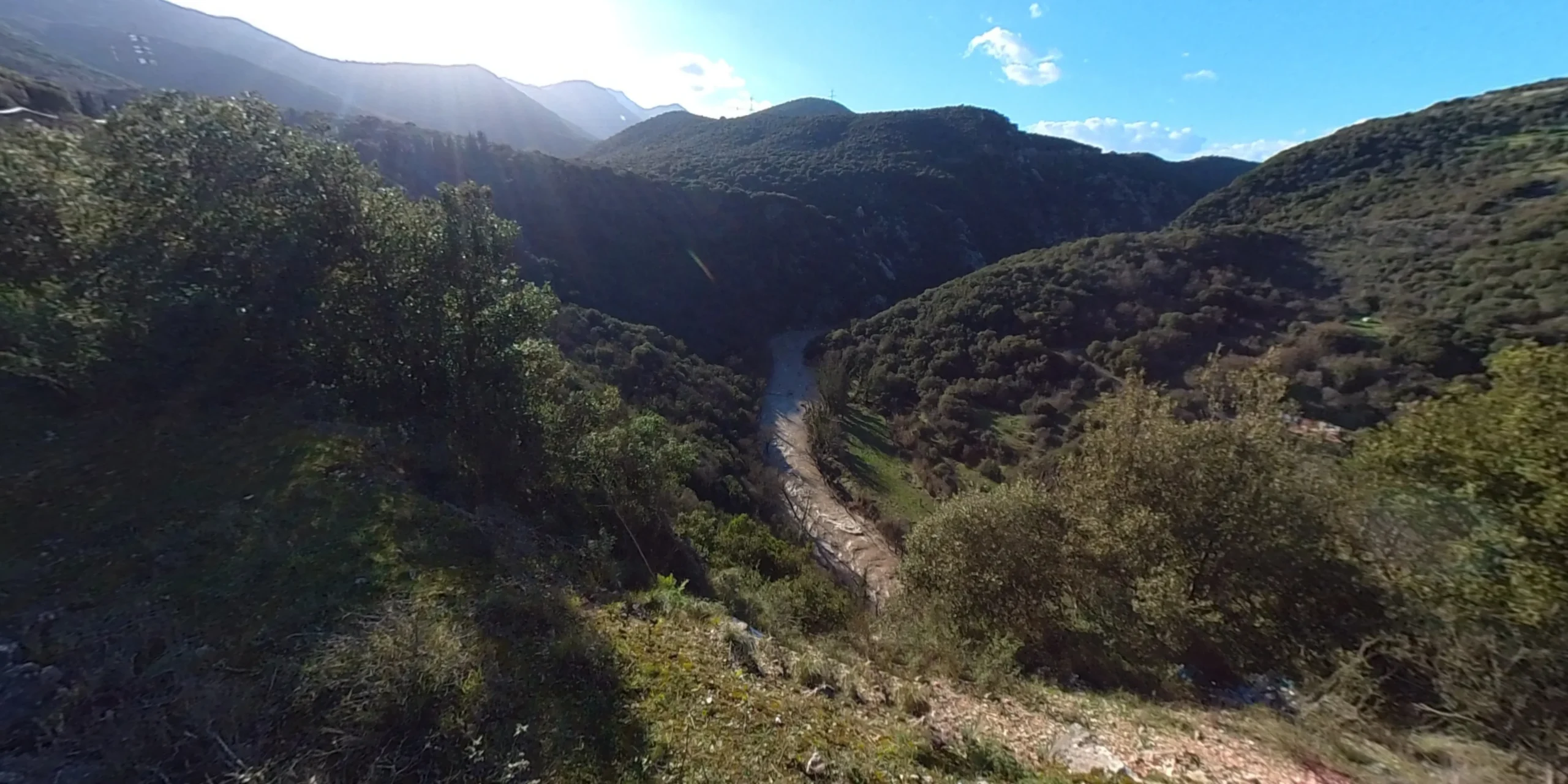
Straits of Agios Athanasios in Karytaina
The “Twin Battle” of the Passes of Saint Athanasios and Karýtaina
The First Victorious Engagement of the Greek Revolution in the Morea
The so-called “Twin Battle” of Karýtaina is regarded as one of the earliest significant military successes of the Greek War of Independence in the Peloponnese. The clashes took place in late March 1821, only a few days after the liberation of Kalamata, and were closely connected with the strategy of Theodoros Kolokotronis for the capture of Tripolitsa.
The battle is described as “twin” because it consisted of two successive engagements fought on the same day: the battle at the Passes of Saint Athanasios and the battle at the bridge of Karýtaina. According to several historians, as well as Kolokotronis’ own Memoirs, it was the first clear military victory of the Greek revolutionaries in the Morea against an organized Ottoman force.
The Dispute Over Revolutionary Strategy
Following the capture of Kalamata on 23 March 1821, a disagreement arose between Petrobey Mavromichalis and Kolokotronis concerning the strategy of the Revolution in the Peloponnese.
Petrobey believed that the Greeks should first besiege the coastal fortresses of Methoni and Koroni in order to isolate Ottoman forces. Kolokotronis, however, argued that the true center of Ottoman power in the Morea was Tripoli and that only its fall would lead to the collapse of the remaining fortresses.
Following his own strategic vision, Kolokotronis departed from Kalamata with a small force and marched toward Karýtaina.
The March of the Phanariote Turks
At the same time, Muslim populations from the unfortified settlements of the Peloponnese abandoned their homes and sought refuge in fortified strongholds, particularly Tripoli.
The Ottoman inhabitants of the Phanari region of Olympia departed on 26 March 1821 together with their families, joined by Turks from Zourtsa. Including both civilians and armed men, the group is estimated to have numbered around 2,600 people.
During his march, Kolokotronis learned that the Turks of Karýtaina had already withdrawn into the local fortress. In the village of Tetebeyi, he received crucial intelligence: Vasilis Bountounas had killed an Ottoman courier and seized a letter sent by the Phanariote Turks to the Turks of Karýtaina. The letter stated that the Phanariotes intended to pass through Karýtaina in order to unite with the local Ottoman forces and continue safely toward Tripolitsa, fearing an attack by Kolokotronis and the fighters from Mani.
The Battle at the Passes of Saint Athanasios
Upon learning of the Ottoman movement, Kolokotronis occupied the Passes of Saint Athanasios, which formed a strategic route toward Karýtaina.
At dawn the following day, the long Ottoman column appeared, stretched across the narrow terrain because of the large number of people, animals, and baggage. The Greek forces, numbering no more than 300–400 men — mostly from Mani — immediately launched their attack.
The battle was fierce and lasted approximately six hours. The Ottomans fought desperately in order to protect their families and possessions, while the fighters from Mnai distinguished themselves through extraordinary endurance and aggressiveness despite being vastly outnumbered.
During the fighting, several Ottoman soldiers were killed, while Greek captains were wounded. Once the Greeks exhausted their ammunition, they withdrew in good order toward a rocky height near the bridge of Karýtaina.
The Battle at the Bridge of Karýtaina
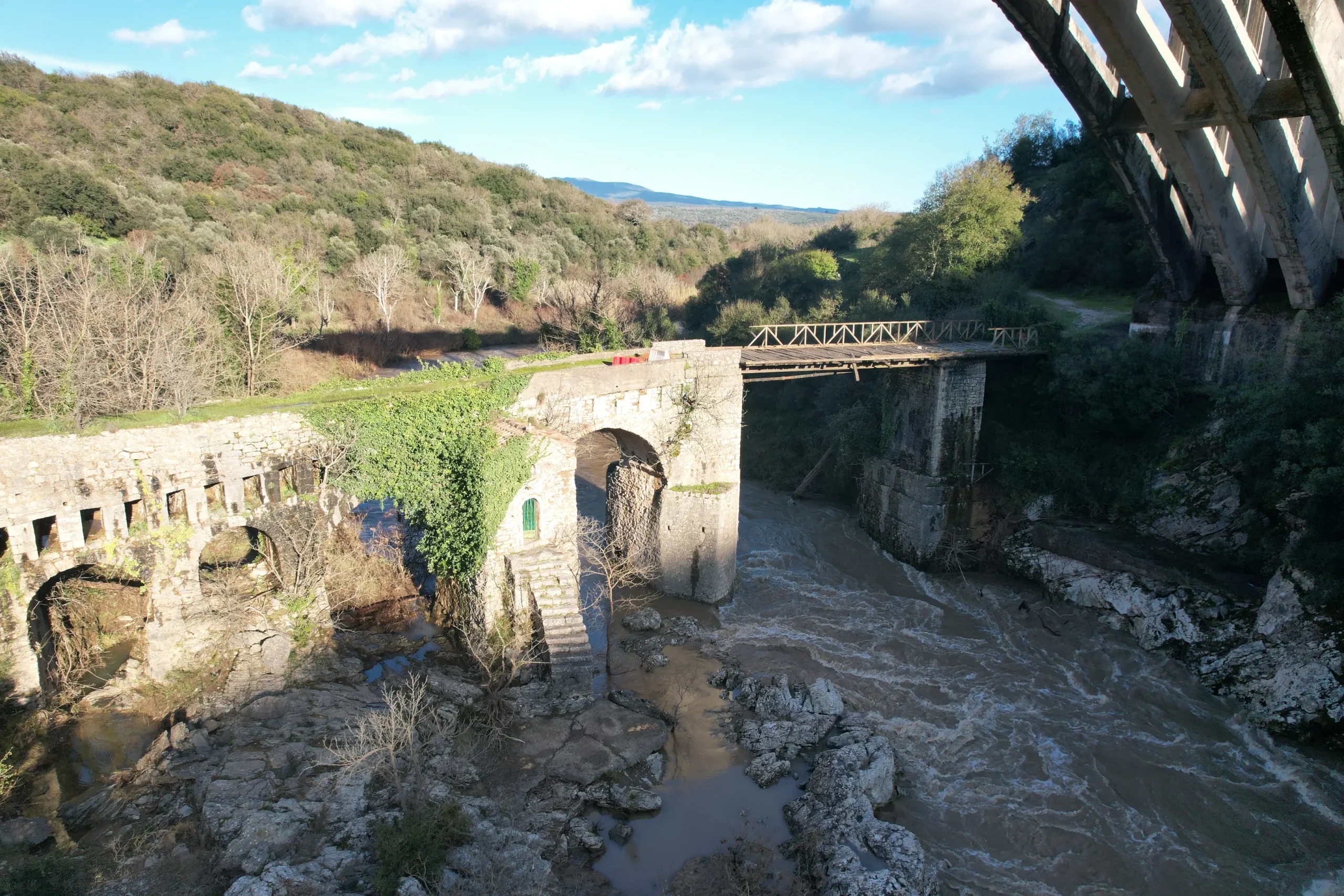
The Ottomans attempted to continue their march toward the bridge and fortress of Karýtaina, but the Greeks had already regrouped and replenished their ammunition. Reinforcements soon arrived under Georgakis Plapoutas and Dimitrios Plapoutas, along with armed men from the villages of Liodora and Phanari.
The fighting then spread around the historic bridge of Karýtaina and along the banks of the Alfeios River, known at the time as the “Roufias.” Pressured by Greek gunfire and panic among the civilians, the Ottoman column attempted to cross the swollen river.
The situation quickly descended into chaos. Many civilians — women, children, and the elderly — were swept away by the current and drowned, while Greek fighters continued firing upon the armed men attempting to cover the retreat.
According to most historical accounts, around one hundred Ottoman fighters were killed near the bridge, while the number of civilian drownings was considerably higher.
The Siege of the Fortress
That same evening, Ilias Mavromichalis (Beizantes) arrived in the area with approximately 200 men, while the following day Kanellos Deligiannis brought further reinforcements. Within only a few days, nearly 6,000 Greek fighters from various regions of the Peloponnese had gathered outside Karýtaina.
The surviving Ottoman forces withdrew into the fortress of Karýtaina, which lacked sufficient food and water supplies. Thus began the Greek siege of the castle.
Historical Significance
The “Twin Battle” of Karýtaina is considered by many historians to be the first substantial victory of the Greek Revolution in the Peloponnese. Its importance was both psychological and strategic, demonstrating that Greek revolutionary forces could confront and defeat organized Ottoman troops from the very first days of the uprising.
Kolokotronis himself referred to the battle with particular emphasis in his Memoirs, presenting it as the first victorious military engagement of the Revolution in the Morea. Nevertheless, the battle remained relatively overshadowed in later historiography by larger and more famous engagements of the Greek War of Independence.
Theodoros Kolokotronis describes the engagement in his Memoirs:
“…When I saw that the Turks were not moving that day, I took the town of Karýtaina and shut the Turks inside the castle (…) On the 27th I rose at dawn, and left about fifteen men from Karýtaina there, while I myself took the pass (…) On that same day, the 27th, a dispatch reached me from the late Beizantes (Ilias Mavromichalis), saying that he had arrived at Leontari with 200 Spartans, and I wrote to him to come quickly, because today we are having battle. (…) And I went to the pass, or to Saint Athanasios. At dawn I saw the Phanariote army from about an hour away, and the place was narrow, and there were loads and baggage, and their column stretched for two hours in length. Seeing us, the front ranks immediately opened fire to fight, and we fought from our fortified positions for six hours. The Spartans then fought a battle worthy of Leonidas: 300 were the Greeks and 1,700 the Turks. After six hours they ran out of ammunition; Voidis and Dourakis were wounded, five or six were killed. By midday they had used up all their cartridges.
The men told me to open the way for them—but the Koliópoula were six hours away at the Roufias river, in the village of Tzouka, guarding against the fihters from Lala. Hearing the gunfire, they set out, but they did not arrive in time, only half an hour later. The Turks lost 15 men and fought bravely, because they had their belongings and their women with them. If the Koliópoula had arrived in time, Georgakis and Dimitris would have destroyed the Turks. (…)
Hearing the battle noise, we blocked the pass so that no Turks could cross the bridge, with 20 men. I waved the banner so that the Koliópoula could recognize me; my throat had become hoarse from shouting all day. (…) The Turks came out from the castle to reinforce their men and drove away those who were in the town. We pursued the Turks along with the women and children; 500 souls were lost in the river of Karýtaina, unable to cross the bridge which we had occupied. (…) We then besieged them. After evening, Ilias Beyzades arrived from Leontari, and on the 28th Kanellos came with 200 men from Karýtaina. Anagnostaras and Papaflessas marched toward Arcadia with 500 men. As the Arcadians had fled, they returned and came to Karýtaina with 1,000 men. In two days we became 6,000 strong.
The Turks who were besieged left their animals outside, which were taken by the Greeks. They had no water or provisions. I had sent Nikitaras with 100 men to Frangovryso, near Tripolitsa, two hours away. (…)
On the next day at dawn, April 1st, a message came out from Tripolitsa, and the Turks appeared where I had told Anagnostaras to go, and they set fire in the distance. (…) I became angry and told them: ‘Take positions on three ridges so we can wait for the Turks and fight them.’ I took a horse, a banner in my hand, and a spyglass, and if there were Turks I would close the banner, and if not I would open it. (…) I looked through the glass and saw the Turks coming, and I closed the banner. The Greeks began to flee after I gave the signal. (…) My men were running away. (…) Anagnostaras took the bridge with 1,000 men, Papaflessas and Kanellos went by the upper road, I remained alone, the Greeks were defeated, and I hid in some bushes, with my two pistols raised. (…) At sunset I came out to meet our men at the bridge. (…) I urged them to pursue the Turks as far as Tripolitsa. The Greeks did not wish to. The Koliópoula went to Ilidoras, Papaflessas and Beizantes went to Dimitsana, Kanellos to Langadia, and they took the families to Mega Spilaio.”
 Watch 360 images